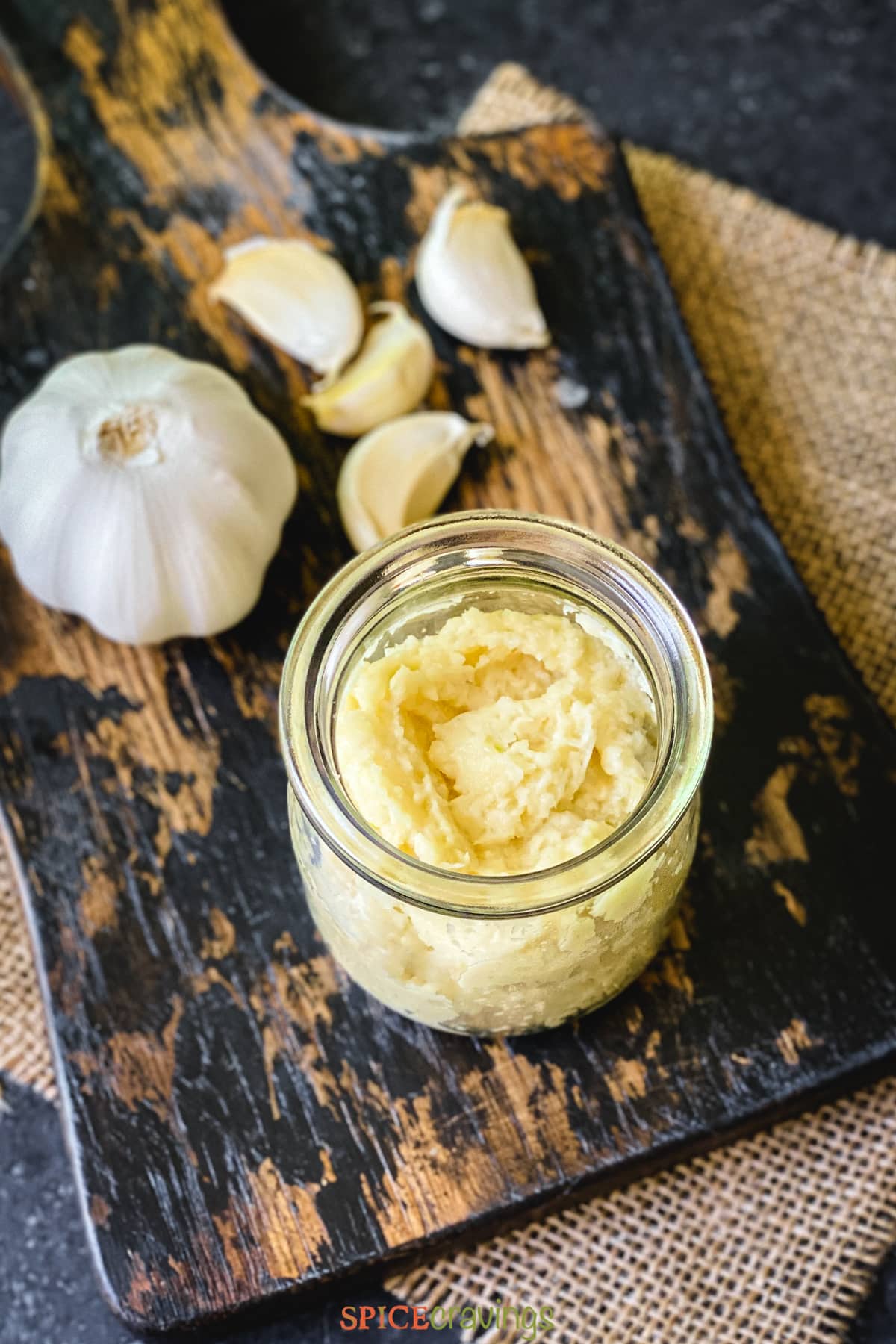
Homemade Garlic Paste: Unlock Flavor, Save Time, and Master Your Kitchen
Imagine a world where the pungent aroma of fresh garlic doesn't come with the hassle of peeling, mincing, and sticky fingers every single time you cook. That world is within reach with homemade garlic paste! This kitchen staple isn't just a convenience; it's a game-changer, transforming your cooking routine by offering instant flavor, remarkable freshness, and significant savings. If you've ever wondered
how to make garlic paste that rivals store-bought versions – or even surpasses them – you're in the right place. We'll guide you through crafting this culinary secret weapon, ensuring you always have that vibrant garlic kick ready at a moment's notice.
Why Homemade Garlic Paste is Your Kitchen MVP
The allure of homemade garlic paste goes far beyond mere convenience. While it undoubtedly speeds up meal prep, especially for dishes that call for a generous amount of garlic, its benefits extend to taste, cost, and control over ingredients.
*
Unbeatable Freshness and Flavor: Store-bought garlic pastes often contain preservatives or subtle flavor dullers. Your homemade version, however, captures the intense, aromatic essence of fresh garlic at its peak. This difference in vibrancy will elevate everything from quick stir-fries and pasta sauces to complex curries and marinades.
*
Time-Saving Marvel: This is arguably the biggest draw. Instead of wrestling with individual cloves and a garlic press every night, a pre-made batch allows you to simply spoon out the desired amount. This hack is particularly beloved by those who meal prep on weekends, allowing for quick, healthy weekday meals. Think about all those Indian, Italian, or Asian recipes that begin with "sauté garlic..." – imagine shaving minutes off your cooking time for each one! To truly appreciate how this simple prep can revolutionize your culinary flow, dive into
Unlock Faster Cooking: The Power of Homemade Garlic Paste.
*
Cost-Effective: Buying whole heads of garlic is significantly cheaper than purchasing pre-peeled cloves or tubes of garlic paste. By making your own, you're not only getting more quantity but also better quality for less money.
*
No Unwanted Additives: When you make it yourself, you control every ingredient. There are no mysterious preservatives, artificial flavors, or unnecessary fillers – just pure garlic and a touch of oil.
*
Enhanced Meal Prep: Many avid home cooks, especially those tackling diverse cuisines like Indian dishes, find making garlic paste (and often ginger paste) an indispensable part of their weekend meal prep. It streamlines weekday cooking, making healthy eating more accessible.
Gathering Your Essentials: Ingredients & Tools
Making fresh garlic paste requires minimal ingredients and tools, making it accessible for almost any home cook.
Key Ingredients:
*
Fresh Garlic Heads: The star of the show! Look for firm, plump garlic heads that feel heavy for their size. Avoid any that are soft, shriveled, or show signs of sprouting, as these indicate older, less flavorful garlic. You'll need to peel these down into individual cloves.
*
Olive Oil (Extra Virgin Preferred): Olive oil, particularly extra virgin olive oil, is the preferred choice for its smooth texture and rich, complementary flavor profile. It not only aids in the blending process but also acts as a natural preservative, helping the paste maintain its freshness and vibrant taste.
*
Neutral-Flavored Oil (Alternatives): If you prefer a less pronounced oil flavor or have dietary considerations, neutral oils like avocado oil or canola oil are excellent alternatives. Just ensure they don't have strong flavors that could overpower the delicate garlic essence. Avoid water, as it significantly reduces shelf life and can introduce spoilage.
Essential Tools:
*
Food Processor or Blender: These are your primary tools for achieving a smooth, consistent paste. A powerful motor will make quick work of the garlic cloves.
*
Rubber Spatula: Essential for scraping down the sides of your blending container to ensure all garlic is uniformly pureed.
*
Airtight Storage Container(s): For safe and effective storage in the refrigerator or freezer.
Alternative Methods (No Blender? No Problem!):
Even without an electric appliance, you can still create a beautiful garlic paste:
*
Mortar and Pestle: The traditional method, yielding a wonderfully rustic and aromatic paste. Pound the peeled garlic cloves until crushed, then gradually work them into a paste.
*
Knife and Salt Method: Finely mince your peeled garlic cloves on a cutting board. Sprinkle a pinch of coarse salt over the minced garlic. The salt acts as an abrasive and helps to break down the garlic cells. Then, using the flat side of a sturdy chef's knife, repeatedly smash and drag the garlic mixture across the board until it forms a smooth paste. Mix in your chosen oil at the end.
Step-by-Step Guide: How to Make Garlic Paste Like a Pro
Learning
how to make garlic paste is incredibly straightforward. Follow these simple steps for a perfect batch every time:
1.
Peel Your Garlic: This is often the most time-consuming part. For easier peeling, try gently smashing the whole garlic head with the palm of your hand to separate the cloves. Then, you can either:
* Place individual cloves in a sturdy bowl, cover with another bowl of the same size, and shake vigorously for 20-30 seconds. The skins should loosen considerably.
* Soak the cloves in warm water for 5-10 minutes.
* Simply use a small knife to trim the root end and then peel.
* Once peeled, trim off any woody ends from the individual cloves to ensure a smoother paste.
2.
Add to Processor/Blender: Transfer the peeled, trimmed garlic cloves to the bowl of your food processor or blender.
3.
Introduce the Oil: Pour in your chosen oil (olive oil, avocado oil, or canola oil). The amount of oil can vary based on the quantity of garlic and your desired paste consistency. A good starting ratio is approximately 1 part oil to 4-5 parts garlic by volume, but you can adjust. Start with less and add more as needed. For example, for 1 cup of peeled garlic cloves, start with 2-3 tablespoons of oil. Remember, adding more oil will result in a looser paste; adding less will yield a thicker, more concentrated one.
4.
Blend Until Smooth: Secure the lid and process the mixture. Begin with short pulses, then blend continuously. Stop occasionally to scrape down the sides of the bowl with your rubber spatula, ensuring all garlic chunks are incorporated and processed evenly. Continue blending until you achieve a consistently smooth, creamy paste with no visible chunks.
5.
Check Consistency: Your homemade garlic paste should be thick but spreadable, similar to a pesto or a thick condiment. If it's too thick, add a tiny bit more oil and blend again.
6.
Prepare for Storage: Once you're satisfied with the texture, your fresh garlic paste is ready for storage! For further guidance on making garlic paste quickly and easily, check out
Make Your Own Garlic Paste: Quick & Easy Recipe Guide.
Mastering Storage: Keeping Your Garlic Paste Fresh
Proper storage is crucial for extending the life of your homemade garlic paste and ensuring its safety and flavor.
*
Refrigeration: For short-term use (up to 1-2 weeks), transfer your garlic paste to a clean, airtight container. To help preserve its freshness and prevent oxidation, top the paste with a thin layer of olive oil. This creates a seal that minimizes air exposure. Store in the coldest part of your refrigerator.
*
Freezing for Long-Term Storage: For longer preservation (up to 3-4 months), freezing is your best bet. The most convenient method is to spoon the paste into ice cube trays. Once frozen solid (after a few hours), pop out the garlic paste cubes and transfer them to a freezer-safe bag or container. This allows for easy portioning – simply grab a cube or two whenever needed! Importantly, frozen garlic paste can be added directly to your cooking without thawing, saving you even more time. Always label and date your containers so you know when it was made.
*
Room Temperature Rule: Like most fresh food preparations, homemade garlic paste should not be left at room temperature for more than two hours. Beyond this, harmful bacteria can begin to grow, compromising both safety and quality. Always store it in the refrigerator or freezer for prolonged freshness.
Tips for Usage & Equivalence
Now that you've mastered
how to make garlic paste, here's how to integrate it seamlessly into your cooking:
*
Conversion Made Easy: A good rule of thumb is that one average garlic clove is approximately ½ teaspoon of garlic paste.
*
Concentration is Key: Garlic paste is more concentrated in flavor than finely minced garlic. If a recipe calls for minced garlic, consider using slightly less paste to avoid overpowering your dish. You can always add more!
*
Direct from Frozen: No need to wait for thawing! Just drop your frozen garlic paste cubes directly into your hot pan or pot, and they'll melt and release their flavor instantly.
*
Versatile Application: Use your garlic paste in virtually any recipe that calls for fresh garlic. It's fantastic for sautéing, stirring into sauces, marinades, dressings, curries, soups, and even spreading on toast before grilling.
Conclusion
Homemade garlic paste is more than just a convenience; it's a testament to smart kitchen management and a commitment to fresh, vibrant flavors. By learning
how to make garlic paste, you're not only saving time and money but also ensuring that every dish you prepare bursts with the authentic, pungent goodness of fresh garlic, free from artificial additives. Embrace this simple yet impactful kitchen hack, and watch as your cooking becomes quicker, more flavorful, and infinitely more enjoyable. So, peel those cloves, fire up your food processor, and get ready to experience the homemade difference!